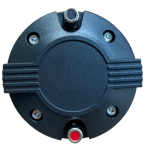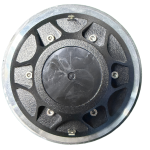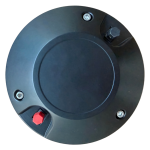









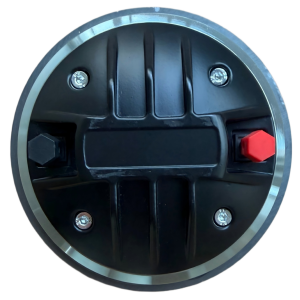
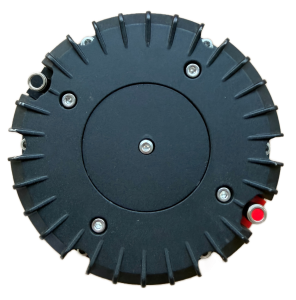
In the world of professional audio, few components are as critical—and as misunderstood—as the compression driver. From stadium PA systems to line arrays and studio monitors, compression drivers are the engines that deliver the vocal clarity, projection, and high-frequency detail that define modern sound reinforcement. Yet behind their seemingly simple exterior lies a remarkable convergence of materials science, electromagnetic engineering, and acoustic physics.
This article explores the fundamental technologies that power today’s high-performance compression drivers—and what to look for when specifying drivers for professional audio applications.
What Is a Compression Driver?
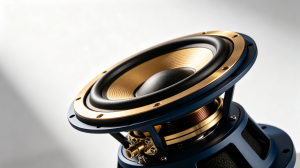
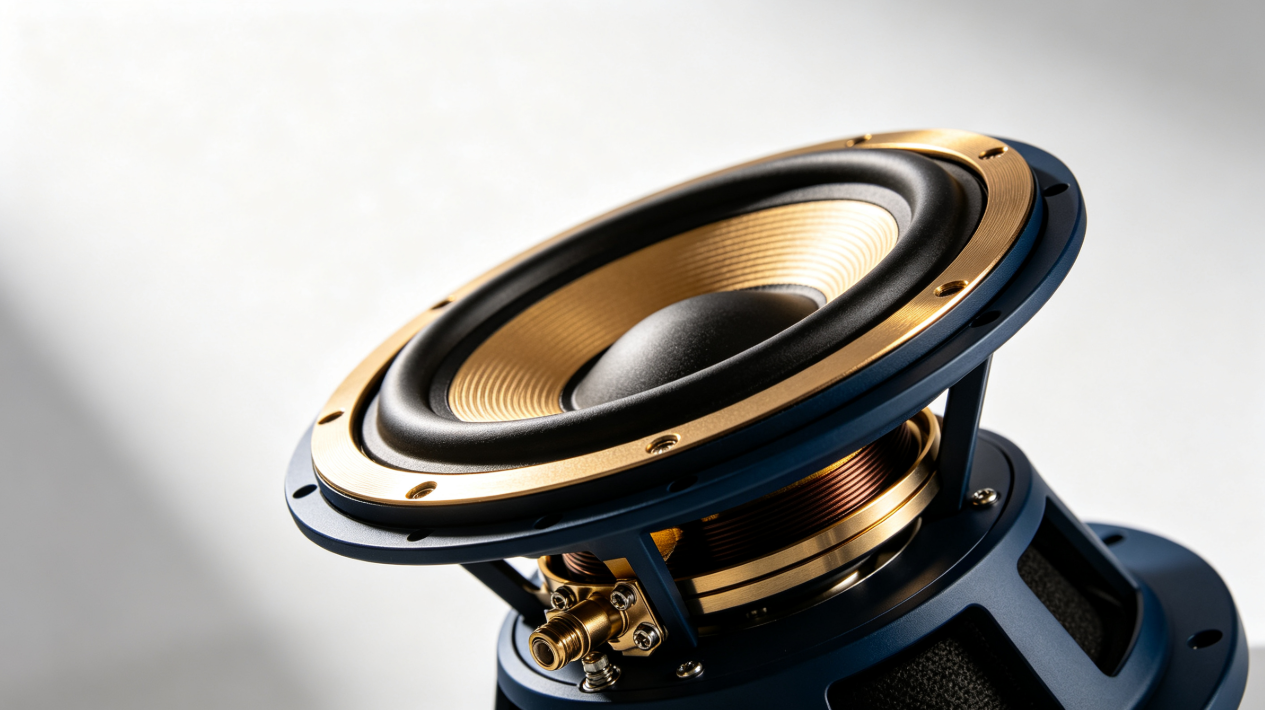
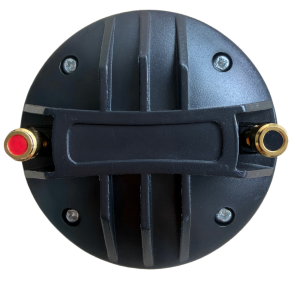
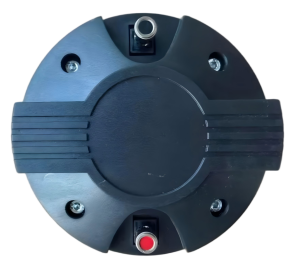
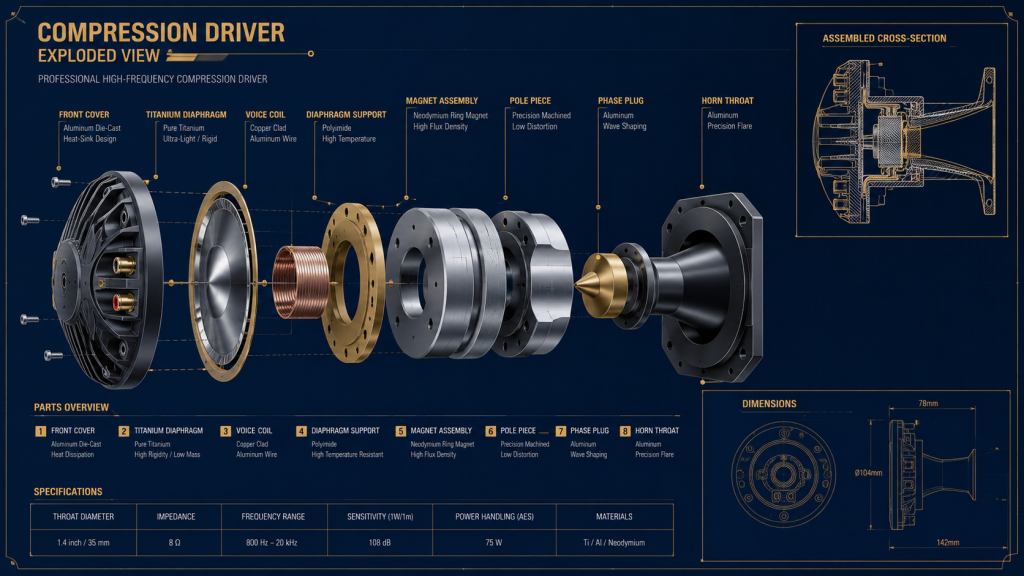
A compression driver is a specialized loudspeaker transducer designed to increase efficiency by compressing acoustic energy and transferring it through a phase plug to the throat of a horn. Unlike direct-radiating tweeters, compression drivers use a small diaphragm (typically 1 to 4 inches in diameter) coupled to a horn that acts as an acoustic transformer, matching the high-pressure, low-velocity output of the driver to the low-pressure, high-velocity requirements of the listening environment.
This design yields several advantages: higher sensitivity (typically 106–115dB @ 1W/1M), lower distortion at high SPLs, and superior pattern control. These attributes make compression drivers the preferred choice for professional sound reinforcement, where efficiency and coverage are paramount.
The Heart of the Driver: Diaphragm Materials
The diaphragm is arguably the most critical component of any compression driver. It converts mechanical energy from the voice coil into acoustic energy, and its material properties directly influence sound quality, durability, and power handling.
Titanium Diaphragms
Titanium has become the industry standard for high-performance compression drivers—and for good reason. Titanium diaphragms are known for exceptional rigidity and lightness. This combination allows them to accurately reproduce higher-frequency sounds without distortion. The stiffness of titanium enables the diaphragm to maintain its shape, resulting in precise sound reproduction.
Additionally, titanium offers excellent heat resistance and durability, making it suitable for high-powered audio systems. The benefits include enhanced sensitivity, extended frequency response, and brighter reproduction. In professional applications, titanium diaphragms deliver the detail, projection, and transient response required for large-format line arrays and stadium systems.
Leading manufacturers like Celestion have advanced titanium diaphragm design with innovations such as two-piece, deep-drawn titanium diaphragms with polyimide surrounds, working in conjunction with advanced phase plugs to deliver ultra-low noise performance. These designs provide notable boosts in sound pressure level above 5 kHz, delivering even clearer, more detailed high-frequency reproduction.
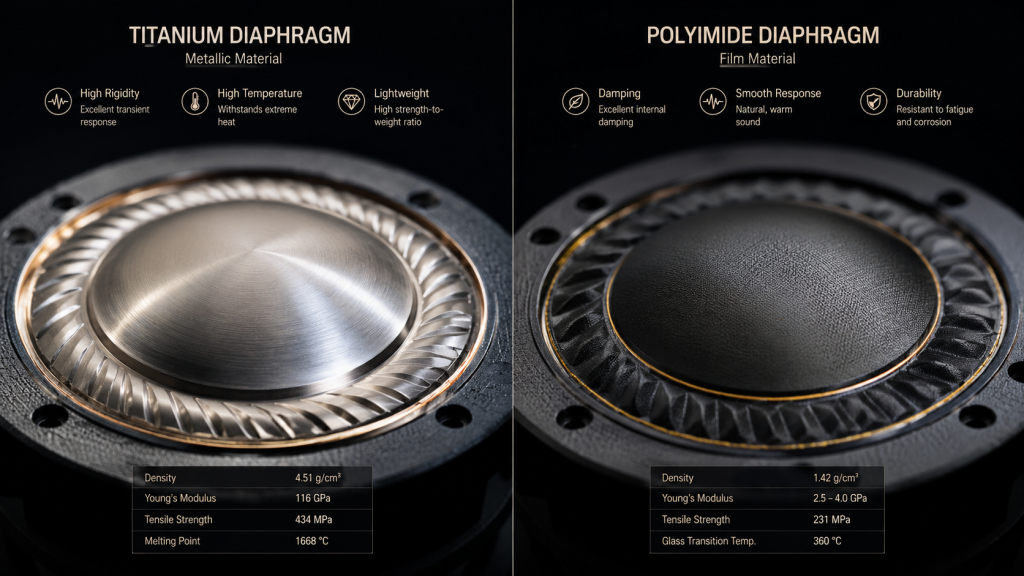
Polyimide Diaphragms
Polyimide diaphragms offer a different set of advantages. Valued for their exceptional strength-to-weight ratio, polyimide diaphragms can withstand high sound pressure levels without deformation. They are also highly resistant to temperature variations, ensuring consistent performance in various environments. Additionally, polyimide diaphragms exhibit excellent self-damping properties, resulting in accurate and detailed sound reproduction.
The benefits of polyimide tweeter diaphragms include high power handling, extended frequency response, and low distortion, providing a balance between accuracy and durability. Polyimide offers a warm, smooth sonic character that is heat-resistant, durable, and cost-effective.
In practice, the choice between titanium and polyimide often comes down to application: titanium delivers the brightness and detail required for high-SPL systems, while polyimide offers a warmer, more natural tonality ideal for critical listening and vocal-centric applications.
The Motor System: Neodymium vs. Ferrite Magnets
The magnet assembly is the core component of a loudspeaker motor, and its ability to maintain a stable magnetic field directly influences sensitivity, efficiency, and consistency of acoustic output
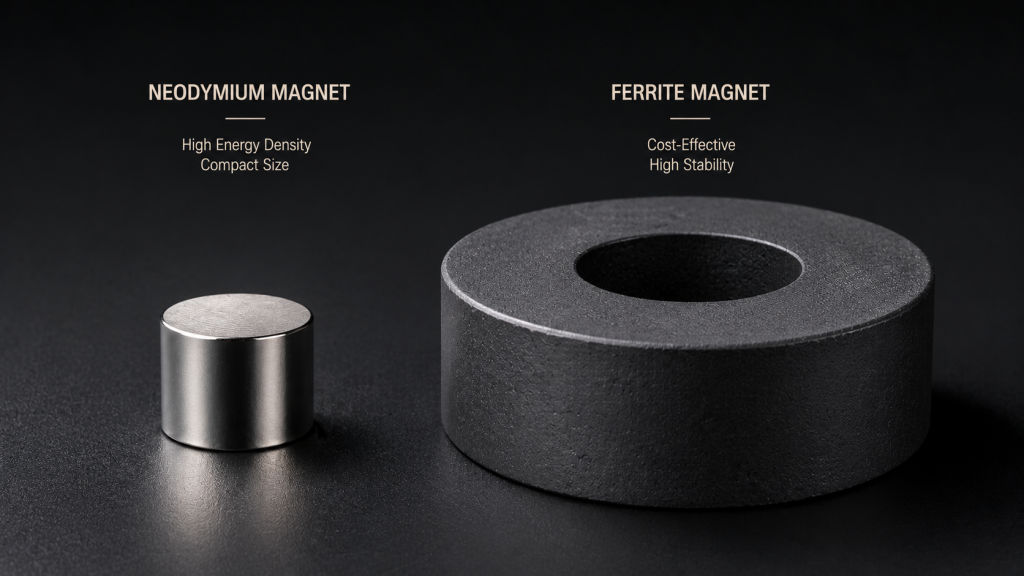
Neodymium Magnets
Neodymium magnets (commonly referred to as “neo”) offer significantly higher magnetic energy density with considerable weight savings, enabling more compact and lightweight loudspeaker motor designs. This is particularly advantageous in line array applications, where weight reduction is critical. Many leading manufacturers are introducing neodymium magnet HF compression drivers with 0.75”, 1”, and 2” exits, reflecting the industry’s shift toward lighter, more powerful driver designs.
However, neodymium magnets are more sensitive to elevated operating temperatures than some alternative materials, and inadequate thermal management can reduce magnetic strength over time. Neodymium-based designs often rely on careful motor geometry, heat dissipation strategies, and material selection to ensure performance stability.
Ferrite (Ceramic) Magnets
Ferrite magnets offer lower magnetic energy density than neodymium magnets, but they are widely used in rugged and outdoor loudspeaker applications due to their thermal stability and predictable behavior at high temperatures. Ferrite magnets are less susceptible to irreversible demagnetization from heat, making them a common choice for high-duty-cycle systems where thermal buildup is a concern.
While ferrite-based designs may require larger motor structures to achieve comparable output, their durability and consistency often make them well-suited for long-life industrial and outdoor installations.
The Industry Trend
The compression driver market is expected to grow from USD 1.66 billion in 2025 at a CAGR of 4.2% through 2035, driven by increasing demand for high-efficiency drivers in professional sound systems. This growth is accompanied by significant investment in compression driver design and production efficiency optimization. Advanced R&D teams are developing sophisticated “nonlinear” modeling techniques that allow prediction of real-world frequency response and harmonic distortion before building physical prototypes, significantly reducing development time.
The Phase Plug: An Unsung Hero
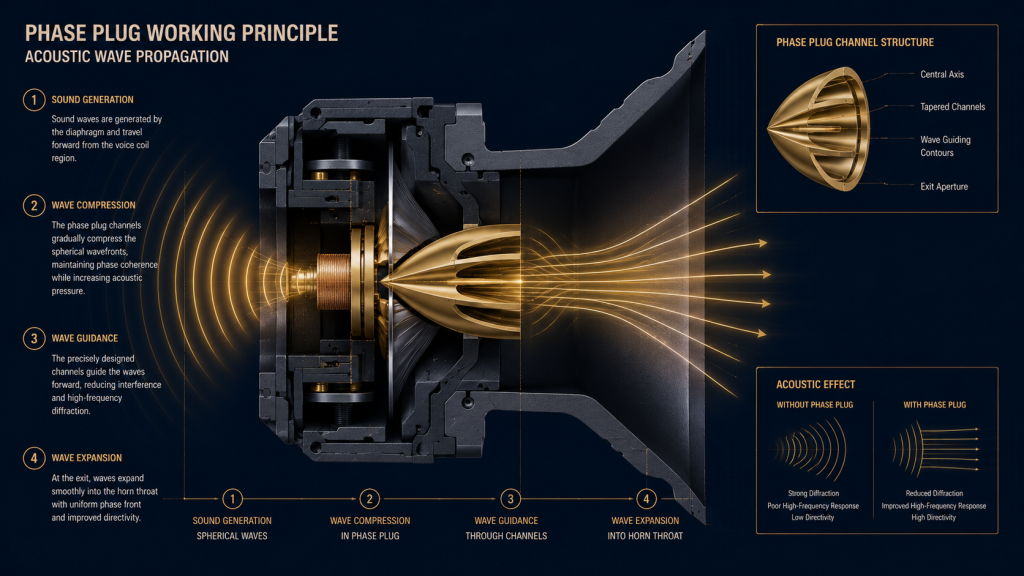
The phase plug is one of the most exacting components in compression driver design. The transition of sound from the diaphragm through the phase plug and into the throat of the horn heavily influences the sound reaching the listener.
Phase plugs are designed to compress sound waves and equalize acoustic path lengths to minimize high-frequency distortions caused by phase cancellations, phase shifts, and phase differentials. The slots design and proper geometrical matching between phase plug and diaphragm are key points requiring extreme attention during acoustic development.
The main challenge in phase plug design is to avoid resonance and interference phenomena. The complexity of these phenomena makes it difficult to carry out this design task manually, particularly when the phase-plug channels are radially oriented. Modern designs leverage advanced simulation and precision CNC machining, with micron-level tolerances enabling increasingly sophisticated phase plug geometries.
Advanced phase plug topologies, such as the patented Integral Input Surface (IIS) design, feature smooth input surface phase plug components that enhance consistency in production and in the field.
What to Look for in a Compression Driver
For system designers, integrators, and OEM partners, several key parameters should guide compression driver selection:
Sensitivity
Higher sensitivity (measured in dB @ 1W/1M) means more acoustic output for less amplifier power. Leading drivers now achieve 108–110dB sensitivity, significantly reducing system amplification costs.
Power Handling
Modern compression drivers handle 50W to 200W RMS or more. Higher power handling ensures reliability in demanding applications but must be balanced with sensitivity.
Frequency Response and Crossover Point
A lower minimum crossover point (e.g., 800Hz vs. 1200Hz) strengthens application flexibility by allowing integration with woofers across a wider frequency band. Wide frequency response (1–20kHz) ensures seamless integration with mid-range and low-frequency drivers.
Size and Weight
In line array applications, smaller diameter improves close-coupling when multiple drivers are used with less distance between acoustic centers, leading to better array performance.
Material Selection
The choice of diaphragm material (titanium, polyimide, or polyester) and magnet type (neodymium or ferrite) should align with the target application’s sonic requirements, environmental conditions, and budget constraints.
Consistency and Traceability
For OEM partners, batch-to-batch consistency is critical. Manufacturers with robust quality control—including 100% final testing for impedance, frequency response, sensitivity, and distortion—deliver the reliability that professional audio brands demand.
Conclusion
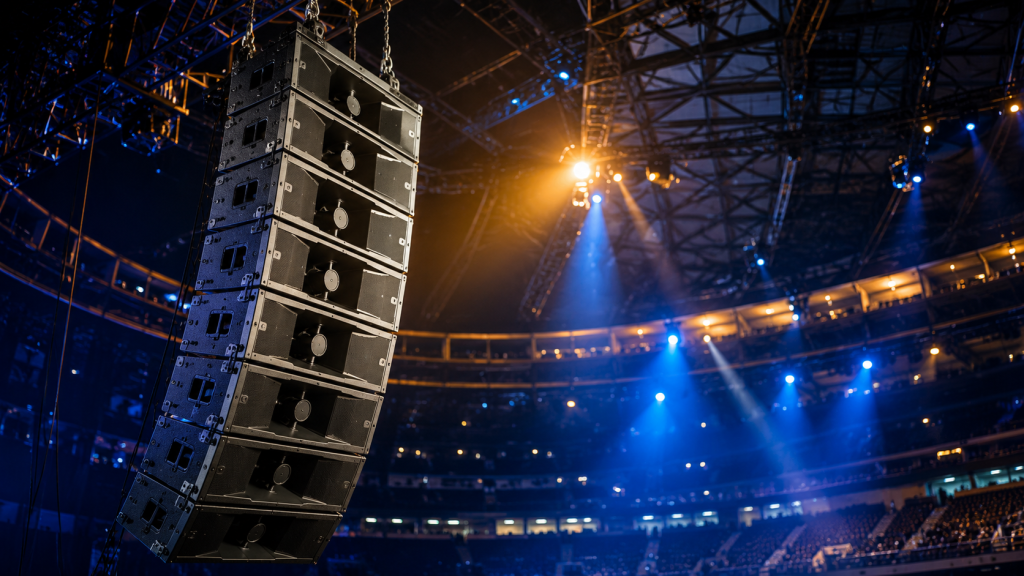
Compression driver technology continues to evolve at a remarkable pace. From advanced diaphragm materials and sophisticated phase plug designs to powerful neodymium magnet systems and precision manufacturing techniques, today’s compression drivers deliver levels of performance that were unimaginable just a decade ago.
For audio professionals, understanding the science behind these components is essential to making informed decisions—whether specifying drivers for a stadium line array, designing a studio monitor, or developing a new OEM product line. The best compression drivers combine engineering excellence with manufacturing precision, delivering the clarity, power, and reliability that define world-class sound reinforcement.
Hensinda Audio manufactures a comprehensive range of high-performance compression drivers—from 1-inch entry-level models to 3-inch flagship designs—serving the professional audio industry with precision engineering, consistent quality, and flexible OEM/ODM solutions.